



A skilled nursing facility can only do as well as its market will allow.

What happens when policymakers treat every skilled nursing facility as if it's the same? According to healthcare reimbursement expert Marc Zimmet, that's one of the biggest mistakes driving instability across the industry today. In this episode of VERSED, host Steve Kennedy sits down to discuss the realities of skilled nursing economics, reimbursement policy, and why many facilities struggle despite operating in the same markets as successful peers.
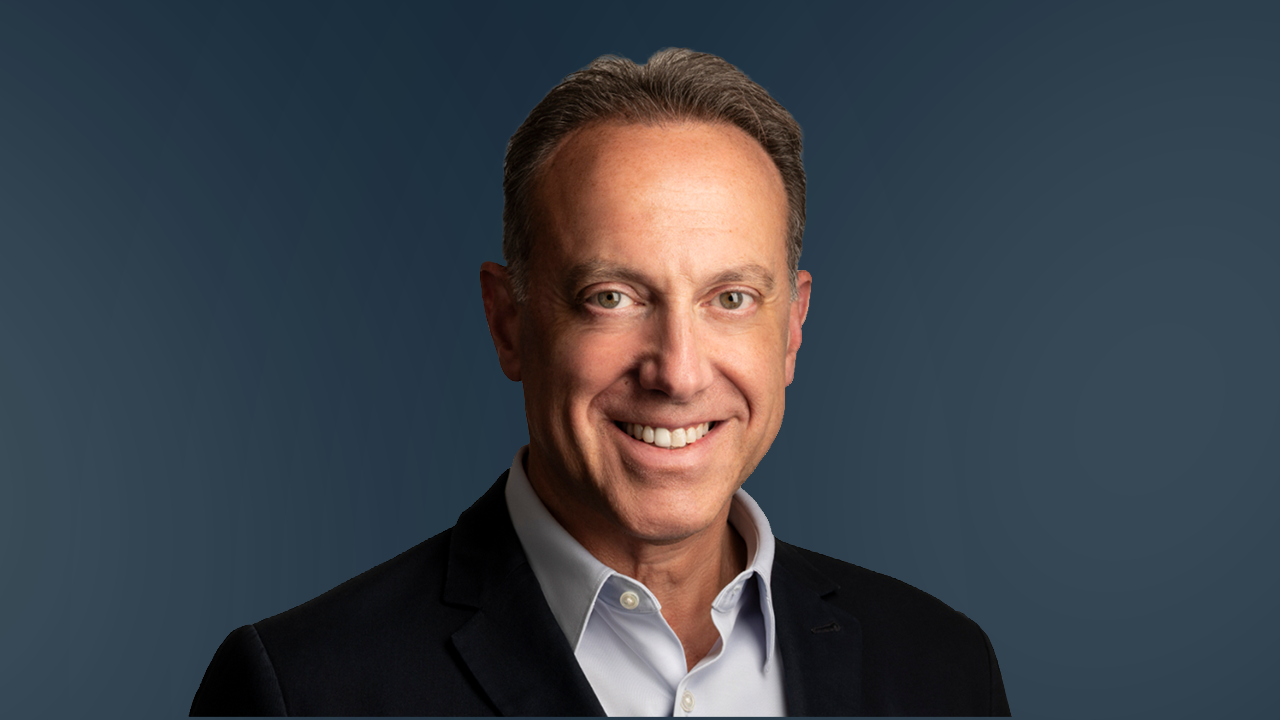
Steve Kennedy welcomes Marc Zimmet, CEO of Zimmet Healthcare Services Group, for an insightful discussion on the economics, policy, and future of the skilled nursing industry. As one of the nation's foremost experts on Medicare and Medicaid reimbursement, Marc shares decades of experience helping providers navigate the increasingly complex financial landscape of post-acute care.
Marc begins by reflecting on his unexpected journey into healthcare reimbursement consulting, explaining how early exposure to New York's prospective payment system positioned him as a national expert when Medicare adopted similar payment methodologies. From there, the conversation explores what has kept him passionate about the industry: ensuring that financially viable skilled nursing facilities can continue serving their communities despite mounting economic pressures.
Marc explains that while more than 15,000 facilities are federally designated as skilled nursing facilities, they vary dramatically in size, patient populations, services offered, and local market dynamics. Yet reimbursement policies often fail to account for those differences, creating significant disparities in financial performance.
Marc introduces his concept of "SNFonomics," describing why skilled nursing facilities don't operate under traditional economic principles. Unlike most businesses, operators have little control over pricing because reimbursement rates are dictated by Medicare and Medicaid. As a result, facilities can only perform as well as the reimbursement environment within their individual markets allows. Through real-world examples—including neighboring counties in New Jersey receiving dramatically different Medicare reimbursement despite similar operating conditions—he illustrates how arbitrary payment structures can create unintended financial advantages and disadvantages.
Marc argues that while additional Medicaid funding is often necessary, simply increasing reimbursement across the board without addressing how rates are constructed can actually worsen disparities between providers. He highlights Massachusetts as an example of a state that has implemented thoughtful reimbursement policies to incentivize facilities to accept Medicaid-only patients, demonstrating how targeted policy design can better align financial incentives with patient access and care delivery.
Steve and Marc discuss quality incentive programs and why some current models may unintentionally reward providers that are already financially stronger rather than directing resources toward facilities that need them most. Marc emphasizes that improving quality should absolutely be rewarded, but only if payment structures are designed to support providers facing the greatest financial challenges.
The episode concludes with a discussion of what distinguishes successful skilled nursing operators. Marc points to strong local leadership, operational efficiency, market-specific expertise, and a deep understanding of each state's unique reimbursement environment as critical ingredients for long-term success. As operators expand into new markets, understanding local reimbursement dynamics becomes just as important as operational excellence.
Other Episodes




.avif)


VIUM CAPITAL, LLC
995 YARD STREET
SUITE 380
GRANDVIEW HEIGHTS, OH 43212
Contact Us
614-363-2001
.avif)
.svg)


.svg)